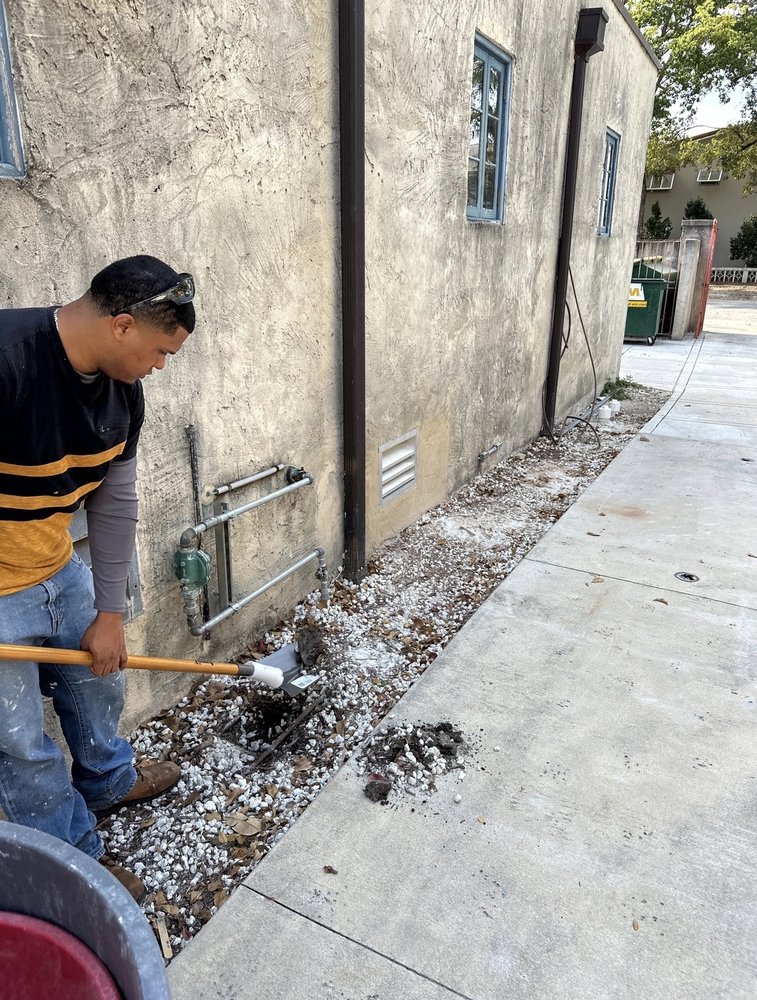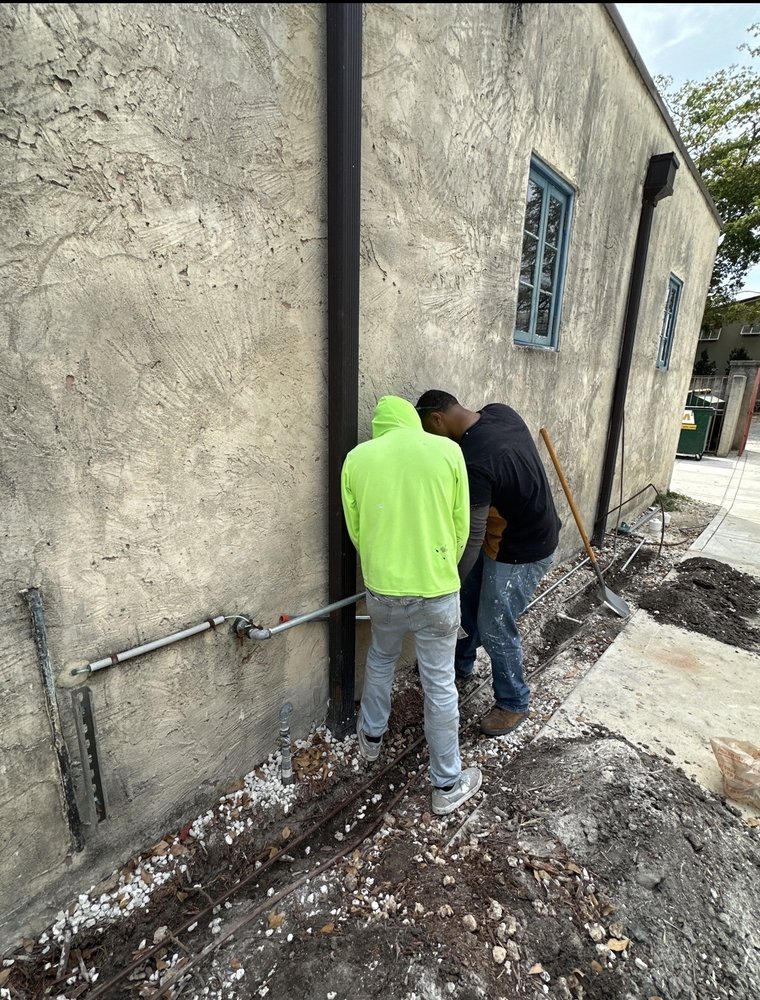

Slow toilet flushing, sewage odors, and wet ground near a septic area can signal problems below the surface. These signs can affect daily water use and may become harder to manage if they are ignored. We look at how the tank, inlet pipe, outlet line, drain field, and wastewater flow are working together before deciding what needs attention.
At Zucco’s Plumbing Company, our septic services in South Florida help property owners deal with septic concerns based on the condition of the system. We consider system size, wastewater demand, tank condition, and access points when planning the work. A septic system depends on balanced flow. When one part stops working correctly, toilets, drains, and wastewater disposal can all be affected.
Our septic work may involve checking several system components, including:
Property owners need clear information before septic work begins. For that reason, our septic system contractors in South Florida assess the visible symptoms along with the condition of accessible components instead of relying on one sign alone.
Zucco’s Plumbing Company is licensed and insured under Florida plumbing license CFC1434553 and provides service 24/7. Our team brings more than six years of plumbing experience to every project. Once the source of a septic concern is understood, the next step is keeping the system working without letting smaller faults turn into larger system problems.
A septic tank can keep accepting wastewater even while internal problems are developing. Cracked fittings, damaged baffles, restricted outlet flow, or excessive solids may not show clear signs right away. Over time, these conditions can place extra strain on the tank and the soil absorption area.
Our septic system services in South Florida focus on the parts that control how wastewater enters, settles, separates, and leaves the tank. Septic tanks hold wastewater long enough for solids to settle and lighter material to rise. The remaining liquid then moves toward the drain field. If that process changes, the system may not handle wastewater as intended.
We inspect service-related factors that can affect system use, such as:
Routine care also gives property owners a better view of the tank’s current condition. Through septic tank maintenance and repair services in South Florida, we can address serviceable components before their condition affects other parts of the septic setup.
Maintenance needs vary because tank capacity, occupancy, water use, solids entering the system, and previous pumping history are not the same at every property. Records of past septic work can also help determine what has already been repaired or serviced. Good maintenance creates a stronger starting point, but eventually accumulated solids still need physical removal. That moves septic care from inspection and upkeep to direct tank access and pump-out work.
A tank that has reached a high solids level can lose usable holding space. Heavy sludge may also move closer to the outlet area, while thick scum can interfere with normal separation inside the tank. At this stage, the concern is not general maintenance. The tank needs to be opened and serviced according to its actual condition. During a septic tank pump-out in South Florida, we remove accumulated liquid waste, sludge, and floating material from the tank. Our pumping process restores usable tank space and gives us access to check visible internal components for signs of wear, blockage, or damage.
Before and during pump-out work, useful checks can include:
Tank access can become another practical concern. Buried lids may require soil removal each time the tank needs service. We install access points that make septic servicing more practical, and our septic tank riser installation brings the tank opening closer to ground level for easier future access. We also check riser height, lid fit, tank opening size, and secure placement so the access point stays safe, stable, and ready for later inspections or pump-out service.
For property owners needing broader septic services in South Florida, Zucco’s Plumbing Company can address tank access, pump-out needs, maintenance concerns, and related septic plumbing conditions within one service plan. Call (954) 995-4470 to arrange septic service for your property.
We prepare the septic work area carefully, protect surrounding surfaces, and keep tank access controlled so servicing does not create unnecessary mess around your property.
Our septic system services in South Florida include clear notes about tank condition, service findings, and completed work, helping property owners track future septic care more easily.
We manage removed septic waste through proper service procedures, keeping pumping work organized while reducing the risk of spills, contamination, or unsafe handling around the tank.
Yes, tree roots can grow toward areas where moisture is present and may enter small openings around septic pipes or connections. We look for signs that roots may be affecting wastewater flow, pipe joints, or the area leading toward the drain field. Root activity does not always mean the whole septic system has failed. The effect depends on where the roots are growing and which component they reach. We assess accessible septic lines and nearby conditions before recommending service. Keeping large trees away from key septic components can reduce future risk. We also explain which areas around the tank and drain field should remain clear so property owners can avoid planting choices that may interfere with buried septic parts later.
Yes, a large amount of water entering the septic system within a short period can reduce the time wastewater has to separate inside the tank. We help property owners understand how high water use from laundry, baths, toilets, and other fixtures can affect septic performance. The drain field also needs time to receive and absorb treated liquid at a manageable rate. Spreading heavy water use across different times of the day can reduce sudden loading on the system. We may also check for plumbing fixtures that use more water than expected or continuously send water into the tank. Managing water use does not replace septic servicing, but it can help the system process wastewater more steadily between scheduled service visits.
Keep heavy vehicles, construction materials, storage sheds, and other major loads away from the septic tank and drain field. We advise property owners to leave these areas accessible because excess weight can compact soil or place pressure on buried septic components. Deep digging should also be avoided unless the septic layout is clearly known. Permanent structures over the tank can make future service harder because technicians need safe access to inspection and pumping points. We can help identify the general service area so you know where access must remain open. Grass is commonly suitable above many septic areas because it limits deep root growth while still covering the soil. Keeping the area clear also makes future septic servicing faster and safer.
Zucco’s Plumbing Company handles plumbing repairs and installations using dependable materials and practical solutions designed to last.
© 2026 Zucco’s Plumbing Company Website Powered and Developed by MYAIO