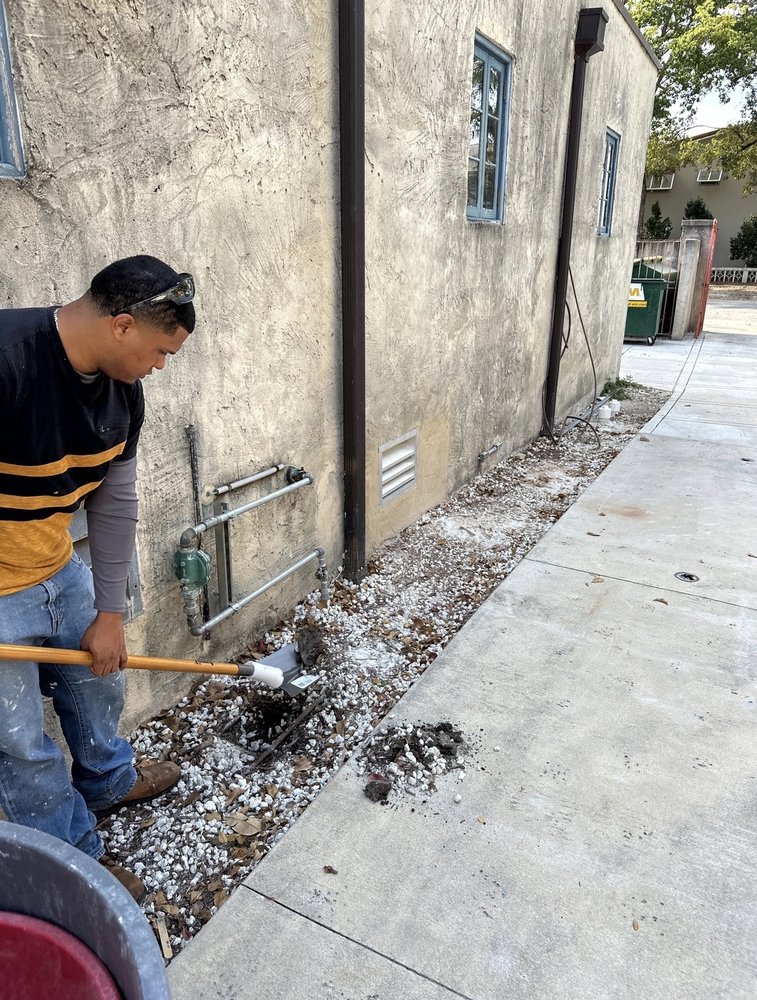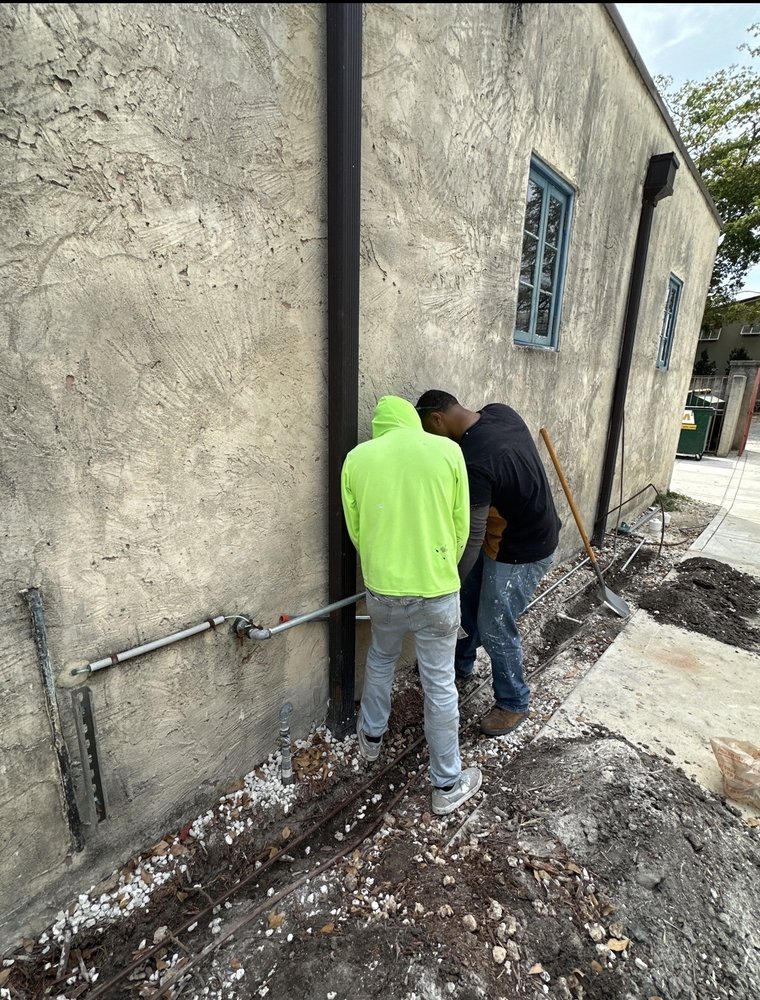

A leak can stay out of sight while water keeps moving behind drywall, beneath flooring, or around plumbing fixtures. Damp spots, higher water bills, musty smells, and unexplained moisture can signal a problem that needs careful checking. Leaving the source unidentified can allow water to reach cabinets, wall materials, ceilings, or nearby plumbing connections.
At Zucco’s Plumbing Company, we trace the signs back to the plumbing source instead of relying on surface clues alone. Our leak detection in South Florida helps property owners identify where unwanted water is coming from so the next step is based on the actual condition of the system.
Different symptoms can point us toward different parts of the plumbing system. We may evaluate areas such as:
Finding a leak is only part of the job. The condition of the pipe, connection, valve, fixture line, or surrounding plumbing determines what should happen next. A loose fitting requires a different response than a damaged pipe section, worn connection, or leaking shut-off component.
Our plumbing leak detection in South Florida allows us to inspect the affected plumbing and connect visible symptoms with the component responsible for the water loss. Instead of treating a wet area as the full problem, we look at how water is reaching that location.
Important repair decisions may depend on several findings:
This approach gives the property owner a clearer reason behind the recommended work. When a confirmed leak requires corrective work, our leak detection and repair in South Florida connects diagnosis with the plumbing repair needed at that specific source. That may involve correcting a leaking connection, replacing a damaged section, or addressing another failed plumbing component.
Zucco’s Plumbing Company is licensed and insured under Florida plumbing license CFC1434553, and our team provides plumbing support around the clock. That availability matters when an active leak cannot be left running until normal business hours. After the immediate plumbing fault is addressed, the next priority is protecting the rest of the property from water loss that may begin in less obvious locations.Properties can contain many plumbing lines that remain out of sight during normal daily use. Pipes may run behind walls, through cabinets, under fixtures, or beneath finished surfaces. Because these areas are not regularly visible, early leak signs can appear somewhere other than the exact point where water is escaping.
Our leak detection in South Florida is focused on plumbing conditions that can interrupt normal use that can interrupt normal routines or affect parts of the property that should remain dry. We use the available signs, plumbing layout, fixture behavior, and water activity to narrow down the affected area.
A leak check may be useful when you notice:Each sign provides useful information, but the visible mark does not always sit directly beside the plumbing failure. Water can move along building materials before appearing elsewhere. That is why our leak detection in South Florida follows the plumbing path and the evidence around it rather than treating the first wet spot as the source.
With more than six years of plumbing experience, Zucco’s Plumbing Company provides reliable plumbing services. Customers can call (954) 995-4470 when unexplained water activity, hidden moisture, or an active plumbing leak needs to be properly located and addressed.
We use leak-focused checks to narrow down suspicious water activity and identify the affected plumbing area before recommending the next step for the property.
Our water leak detection in South Florida follows moisture patterns, plumbing routes, and water behavior so we can locate leaks that may not be visible.
We explain where the leak appears to be coming from, what part of the plumbing is affected, and what repair may be required after testing.
Yes. Even a small leak can waste water every day and cause a noticeable rise in monthly usage. A dripping connection, toilet supply issue, or hidden pipe leak may continue without obvious water pooling nearby. We compare the signs around the plumbing system and check where water may be escaping. Changes in normal water use can also help us narrow down the affected area. Once we identify the likely source, Zucco’s Plumbing Company explains what part of the plumbing needs attention. Finding a small leak early can help reduce ongoing water waste and limit the chance of the affected pipe or fitting getting worse over time.
A moving water meter can indicate that water is still flowing somewhere in the plumbing system. First, we confirm that faucets, toilets, appliances, irrigation connections, and other water-using fixtures are not operating. If the meter continues to register usage, our leak detection in South Florida can help trace where that unexplained water flow may be occurring. We then inspect relevant plumbing lines and connections based on the meter reading and property layout. Meter movement does not show the exact leak location by itself, but it provides an important clue. We use that clue with other leak signs to narrow down the source before any repair work is considered.
Yes. Some plumbing leaks remain hidden because water collects inside enclosed spaces or drains toward areas that are not easily seen. A leak may develop inside a cabinet void, behind a fixture, around a pipe penetration, or near plumbing that is covered by building materials. In these cases, visible staining may appear much later or may not appear near the original leak. We look at water use changes, fixture behavior, moisture patterns, and the plumbing route to identify areas that need closer testing. This helps us avoid relying only on visible marks when determining whether water is escaping from a concealed section of the plumbing system.
An intermittent leak often happens when water flows through a certain fixture, valve, appliance connection, or section of pipe. For example, a connection may leak only while a faucet runs or when a toilet refills. Pressure changes can also make a weak joint release water at certain times. We identify which plumbing activity matches the leak pattern and then inspect the parts connected to that use. This allows us to separate an occasional plumbing leak from constant water loss. Understanding when the leak appears can provide useful information about its source and can reduce unnecessary checking of plumbing sections that are not connected to the problem.
We begin by reviewing the bathroom fixtures and the plumbing connections that supply or carry water from them. This may include faucet supply lines, toilet connections, shower plumbing, valves, drain areas, and accessible pipe fittings. We also look for moisture that appears after a specific fixture is used. The timing and location of that moisture can help identify which part of the plumbing requires further inspection. Because several water lines may run close together inside a bathroom, we avoid assuming that the nearest fixture caused the problem. Instead, we follow the water activity and plumbing route until the source can be narrowed down more reliably.
Unexpected water use, repeated dampness, sounds of running water, and moisture appearing without a recent spill can all justify closer leak testing. Changes around plumbing fixtures may also provide useful clues. We look at how these signs relate to the home's water lines instead of treating each symptom separately. For example, a sound near one room may come from plumbing that serves another part of the property. By reviewing the plumbing layout and water activity together, we can narrow down where the leak may be occurring. Early testing is useful because hidden leaks can continue using water even when household fixtures appear to be operating normally.
Yes. Leak detection can help narrow down the suspected plumbing area before access work begins. We use the available water symptoms, plumbing layout, fixture activity, and moisture location to determine which section is most likely involved. This information can reduce guesswork when deciding where access may be necessary. It does not mean every leak can be reached without opening a finished surface, but it helps make that decision based on evidence rather than assumption. Once we isolate the likely source, we explain what we found and whether the affected plumbing can be reached directly or if controlled access is needed for further inspection or repair.
Zucco’s Plumbing Company handles plumbing repairs and installations using dependable materials and practical solutions designed to last.
© 2026 Zucco’s Plumbing Company Website Powered and Developed by MYAIO